Dutch, English, and Spanish are also widely used, reflecting the island's layered history.
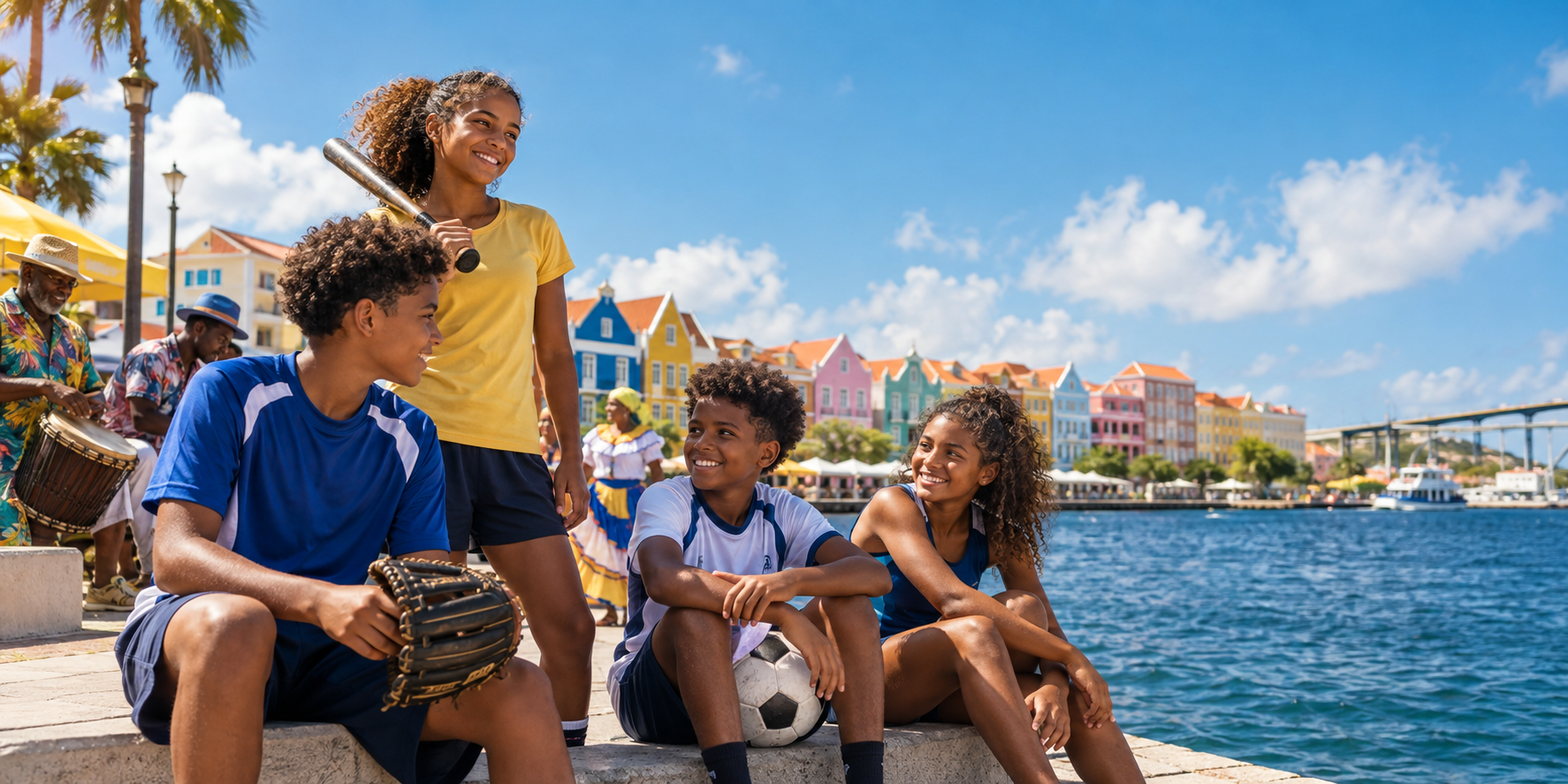
Culture, sport, and island pride
Curaçao turns a small island into a big stage.
From Papiamentu and Carnival rhythms to youth diamonds and soccer pitches, Curaçao builds identity through community, color, movement, and an unusually deep sporting ambition.
Local fields, Little League success, and returning pros have created a visible baseball pipeline.
The national team has raised the island's profile and helped energize youth participation.
Island culture
Many roots, one unmistakable rhythm.
Curaçao's culture carries Indigenous, African, European, Latin American, and Caribbean influences. You hear that blend in Papiamentu, see it in Willemstad's architecture, and taste it in dishes shaped by trade, migration, and family kitchens.
Celebrations such as Carnival and Seú, the harvest festival, turn streets into moving classrooms: music, dance, costume, language, and neighborhood pride all travel together. That same public energy helps explain why sport matters so much on the island. Games are not only competition; they are gathering points.
Papiamentu
A creole language shaped by the island's history, spoken with everyday warmth and local humor.
Music and dance
Tumba, tambú, festival bands, and street parades keep history public and participatory.
Foodways
Keshi yena, stews, seafood, pastechi, and market cooking connect home, memory, and place.
Architecture
Colorful gabled buildings and restored neighborhoods give Willemstad its postcard strength.
Baseball development
A tiny player pool with a major-league imagination.
Curaçao's baseball story is built on visibility. When players from the island reach the highest levels, they become living proof for the next group of children practicing on local diamonds.
The door opens
Hensley "Bam Bam" Meulens became the first Curaçao-born Major Leaguer, followed by Andruw Jones, whose success inspired a generation.
Little League breakthrough
Willemstad won the Little League Baseball World Series, with future pros Jurickson Profar and Jonathan Schoop among that youth wave.
Another youth title
Pariba Little League from Willemstad won the Little League Baseball World Series, renewing the island's reputation for youth talent.
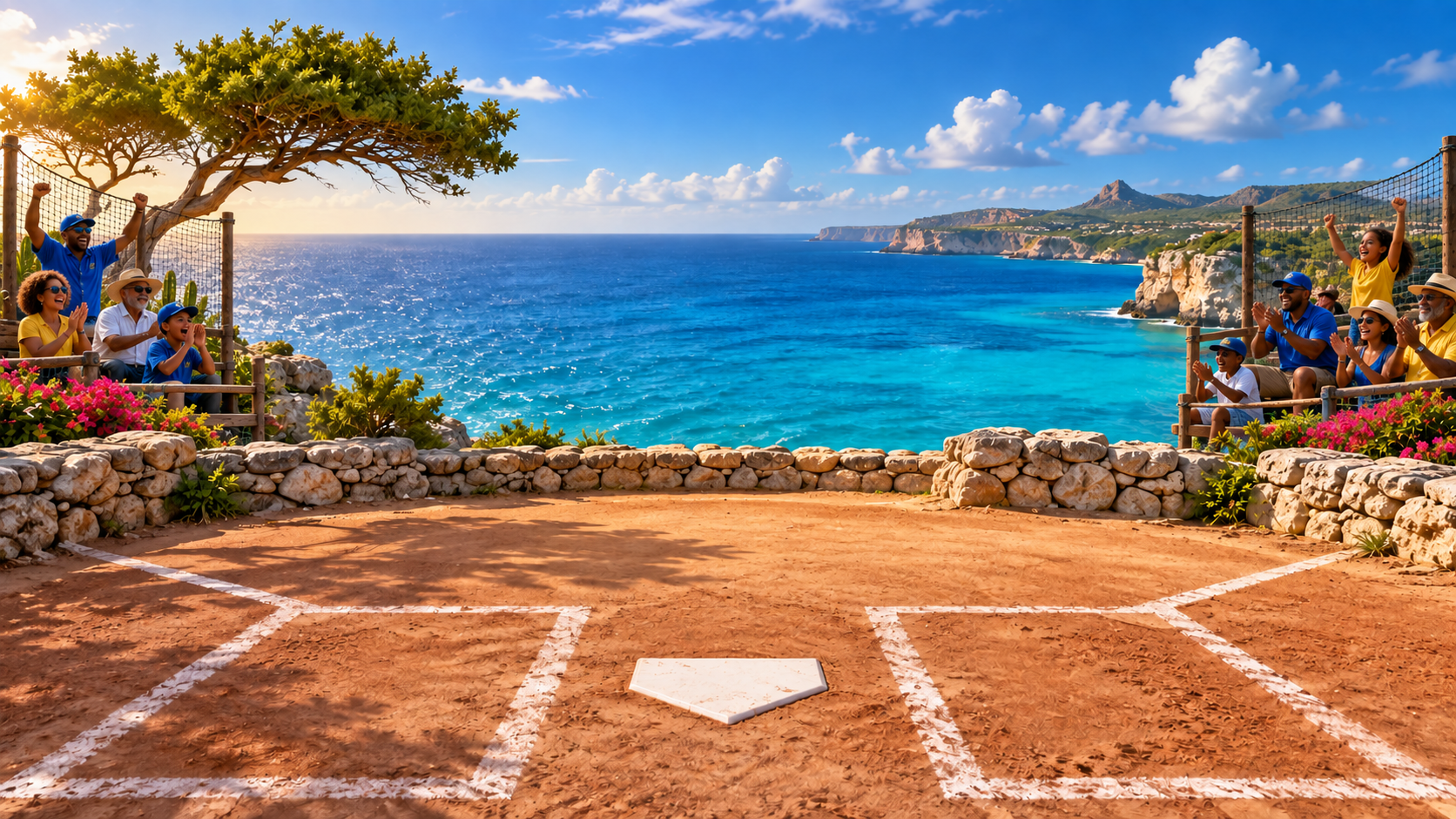
Cliffside batting practice
Send it over the Caribbean.
Choose a Curaçao hitter and face Kenley Jansen or Jair Jurrjens across ten pitches. Three hits in a row unlock an escalating streak bonus.
Score0
High score0
Hit streak0
Pitch0 / 10
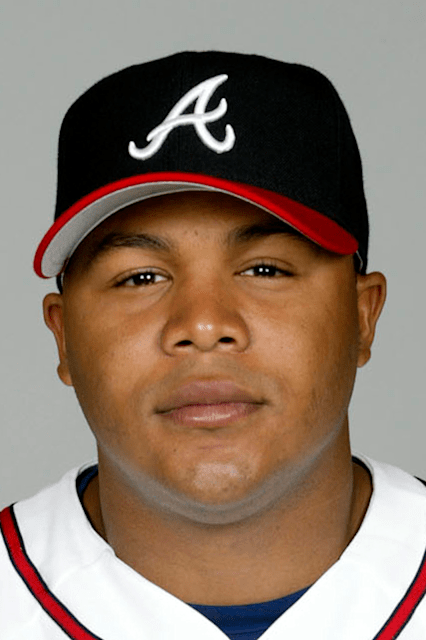 At bat | RightAndruw Jones
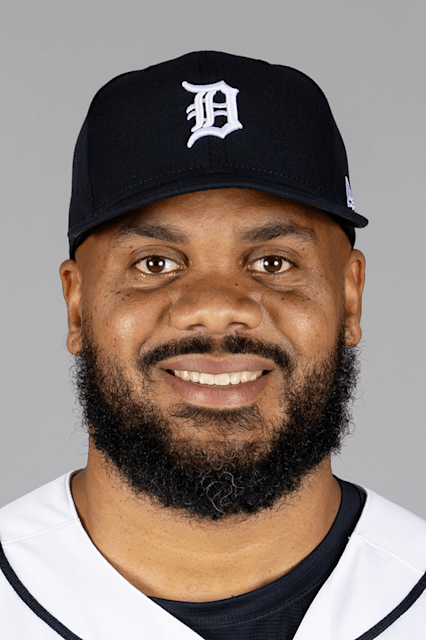 On the moundKenley Jansen
Ten pitches. One perfect view.
Start the round, then swing when the ball reaches the plate.
Curaçao hitters
Curaçao pitchers
Soccer development
The Blue Wave is making soccer feel possible at home.
The Curaçao Football Federation's development work centers on players, clubs, coaches, and referees. Investment through FIFA Forward has supported infrastructure, grassroots soccer, national teams, and technical capacity.
The island's soccer rise has also changed perception. The national team gives young players a visible pathway, while local coaching and school programs help turn excitement into structure.
FFK focus
People + pitches + programs
- Coach education for age-appropriate training
- Referee pathways for safer, better organized matches
- Grassroots and school programs to widen access
- Facility improvements that make development sustainable
The island pathway
Development works when culture and sport feed each other.
Community first
Neighborhood support, family presence, and cultural pride make youth sport socially meaningful.
Early access
Schools, clubs, Little League, and grassroots soccer introduce children to organized practice.
Better coaching
Coach education and returning athletes raise standards without removing the local character of play.
Visible models
Professional baseball players and national soccer moments show young athletes that the island can export excellence.
Bon bini na Kòrsou